Tokyo car meet
A brief history of Tokyo’s car culture
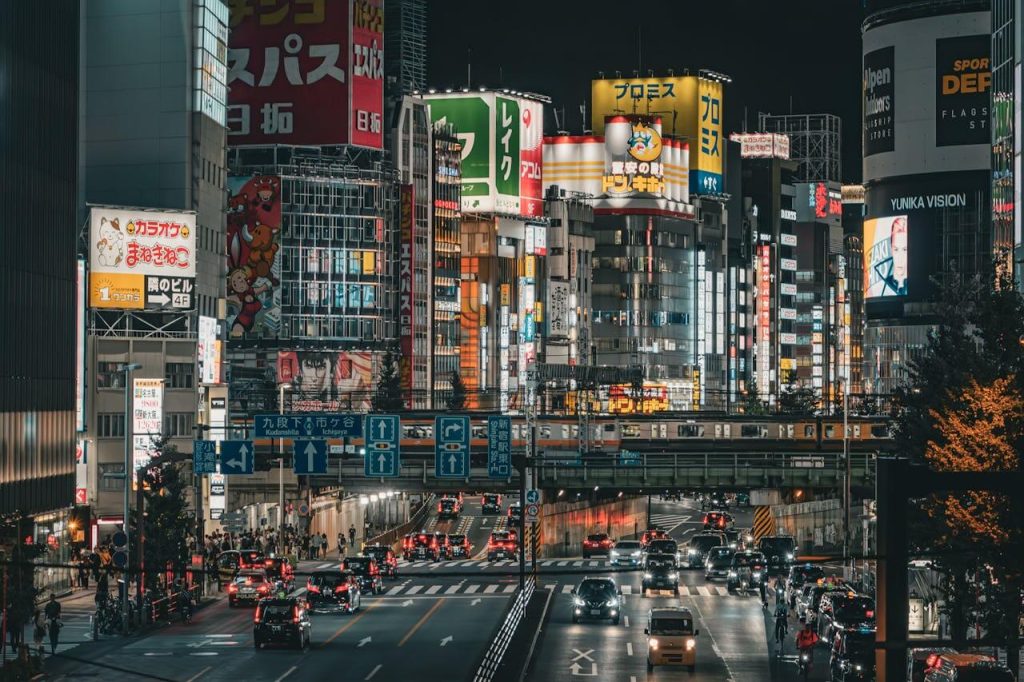
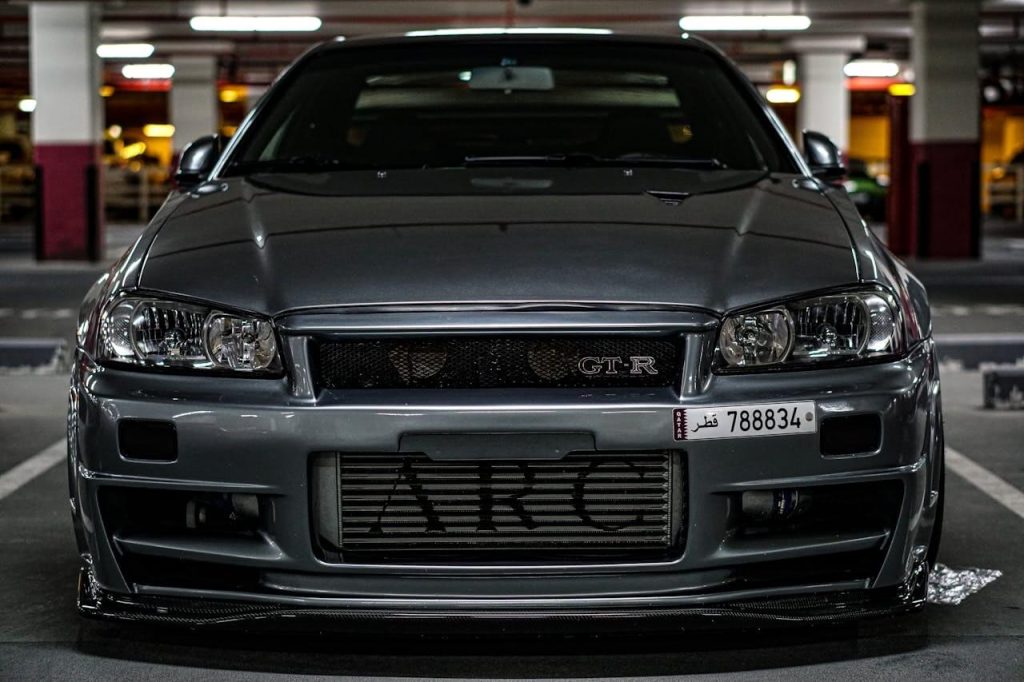
During Japan’s economic boom of the 1980s and 1990s, manufacturers produced legendary performance cars: the Nissan Skyline GT-R, the Toyota Supra, the Mazda RX-7. Tokyo’s elevated expressways became the natural stage for street racing, giving birth to the Wangan Midnight highway culture and the nightly runs around the Shuto Expressway loop.
What started as informal gatherings at highway rest stops grew into one of the most unique and diverse automotive cultures in the world, drawing enthusiasts and tourists from every continent.
Where to experience a Tokyo car meet
Daikoku PA in Yokohama is the single most famous car meet spot in Japan: every night it turns into an informal, open-air car show under its distinctive sodium lighting.
Odaiba & the Bayshore Route, including the Shuto Expressway C1 loop, are legendary gathering grounds where drivers show off heavily modified Skyline GT-Rs and Supras against the backdrop of Rainbow Bridge and Tokyo Tower.
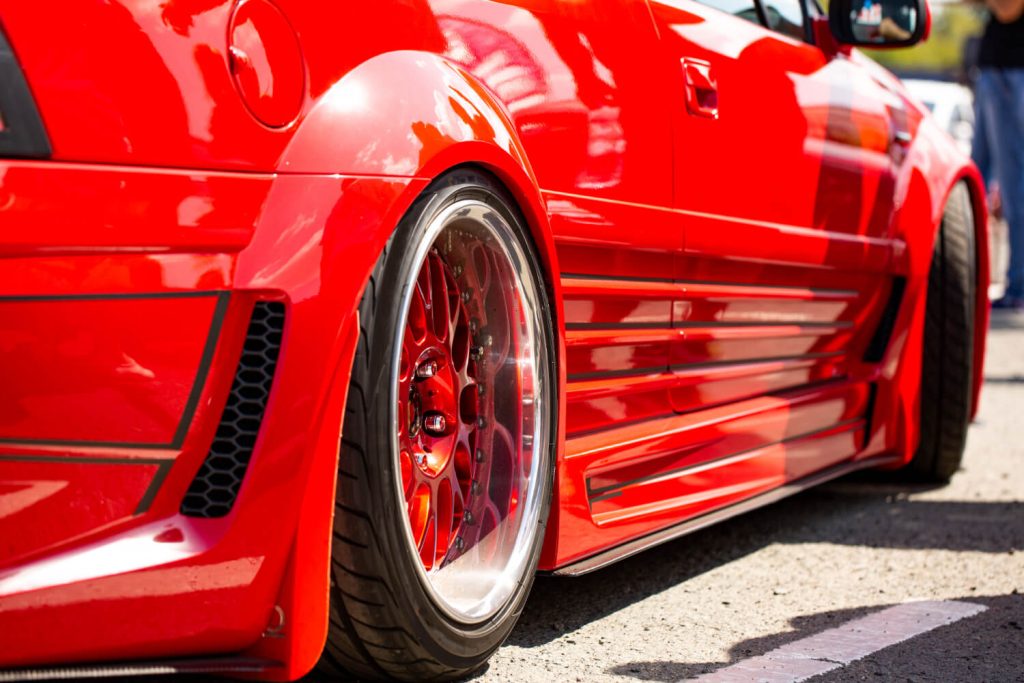
Shibuya & Harajuku combine street fashion with modified cars: wide-body Mazda RX-7s and Honda Civic Type Rs gather near Omotesandō and Takeshita-dōri.
Tatsumi PA, a smaller and closer alternative to Daikoku for those based in central Tokyo, hosts its own regular gatherings.
How to experience it yourself
You don’t need to own a car to take part in a Tokyo car meet: guided tours starting from Shibuya cover LibertyWalk, Super Autobacs, the Shuto Expressway, Rainbow Bridge, and Daikoku PA with an expert guide; car club experiences offer a more immersive night out with access to private meets; shuttle services run directly from Tokyo to Daikoku PA; and self-drive is possible with a rental car and a valid International Driving Permit.
How do I get to Daikoku PA from central Tokyo?
The communities behind the meets
JDM enthusiasts showcase everything from vintage Honda Civics and Toyota AE86s to modern Nissan GT-Rs, celebrating decades of Japanese engineering and tuning culture.
Drift and street culture, fueled in part by manga and film, keeps mountain pass drifting and highway runs alive as a core part of the scene.
Bosozoku heritage, with its loud exhausts, exaggerated body kits, and rebellious styling, has faded from the streets but still visibly influences how cars are built and shown today.
Car clubs and private groups organize their own tours, combining city drives past Rainbow Bridge and Tokyo Tower with private meets, often ending at circuits like City Circuit Tokyo Bay.
Is there an entry fee for Tokyo car meets?
No. Spots like Daikoku PA and Tatsumi PA are public highway rest areas, access is free as long as you arrive by car or as part of a tour.
Can I join a Tokyo car meet without owning a car?
Yes. Guided tours, car club experiences, shuttle services, and rental cars (with an IDP) all offer easy access.
When is the best time to go?
Friday and Saturday nights bring the most energy and the widest variety of cars. Sunday mornings are quieter but still attract interesting vehicles. Late evening, after 8pm, is peak activity, and pre-dawn is best for quiet photography.
Which spot offers the best experience?
Daikoku PA in Yokohama is the most famous and typically has the widest variety of cars. Tatsumi PA is closer to central Tokyo. The Shuto Expressway C1 loop offers skyline views and spontaneous gatherings.
Is photography allowed?
Yes, photo and video are generally welcome, but it’s courteous to ask before taking close-up shots of someone’s car.
How safe is it at night?
Tokyo car meets are generally safe. Police may occasionally disperse large crowds, but respectful visitors typically have no issues.
Is street racing legal?
No, private street racing is illegal. Licensed, guided tours comply fully with traffic laws.
What should I wear?
Regular streetwear or tuner culture clothing is the norm, go-kart tours typically provide required gear.
What cars will I see?
JDM legends dominate: Toyota Supra, Mazda RX-7, Honda Civic Type R, Nissan S13/S15, and every generation of Skyline GT-R, alongside imports and modified muscle cars.