Shibuya Car Meet
Why Shibuya isn’t a parking-lot car meet
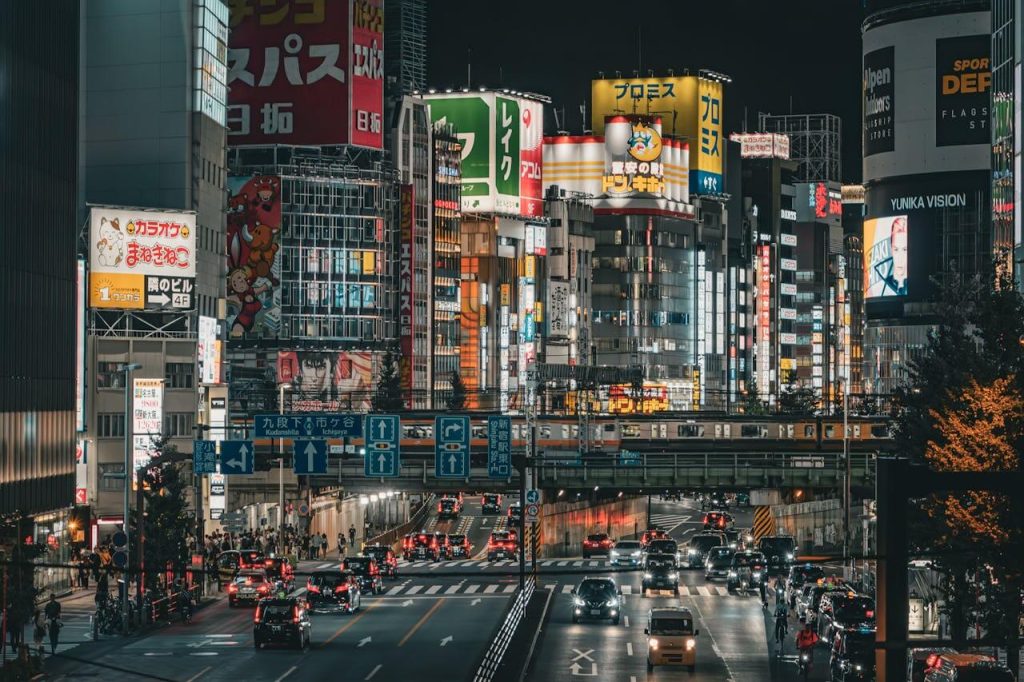
Every well known Tokyo car meet spot, Daikoku PA, Tatsumi PA, Odaiba, shares one thing in common: cars stop, park, and enthusiasts walk around them. Shibuya breaks that pattern entirely. There is no lot, no fence, and no fixed starting time. What exists instead is a district where JDM legends, modern performance cars, and heavily built street cars pass through in waves, on their way somewhere else.
That makes Shibuya the only major node in the Tokyo car meet network built entirely around motion. Understanding that difference is the key to actually experiencing it, rather than standing in the wrong spot waiting for something that was never going to happen there.
Where the Shibuya car meet actually happens
Dogenzaka is the real center of gravity. Several JDM night tours use the street near Shibuya 109, close to the Royal Host restaurant, as their official meeting point before heading out toward the Shuto Expressway. If you want to see modified cars up close before they disappear into traffic, this intersection is where guides and enthusiasts alike actually start their night.
Shibuya Scramble Crossing works differently: its traffic lights force a stop-and-go rhythm that turns the intersection into a natural viewing point. Cars slow down, idle for a few seconds, then pull away, which is enough time to catch wheels, exhaust setups, and livery.
Center-gai’s narrower streets bring vehicles even closer, though traffic here is slower and less predictable.
On stronger nights, the scene spills north toward the roads around Yoyogi Park, where lowrider crews and custom builds have been known to gather in numbers, sometimes several dozen cars, with local police typically managing the crowd with cones rather than shutting it down. Further out, Omotesand\u014d, Harajuku, and the Roppongi\/Minato corridor (Akasaka, Aoyama) round out the wider viewing area, drawing exotic and luxury traffic on Friday and Saturday nights.
Locate the district on the map
Who you’ll find cruising Shibuya
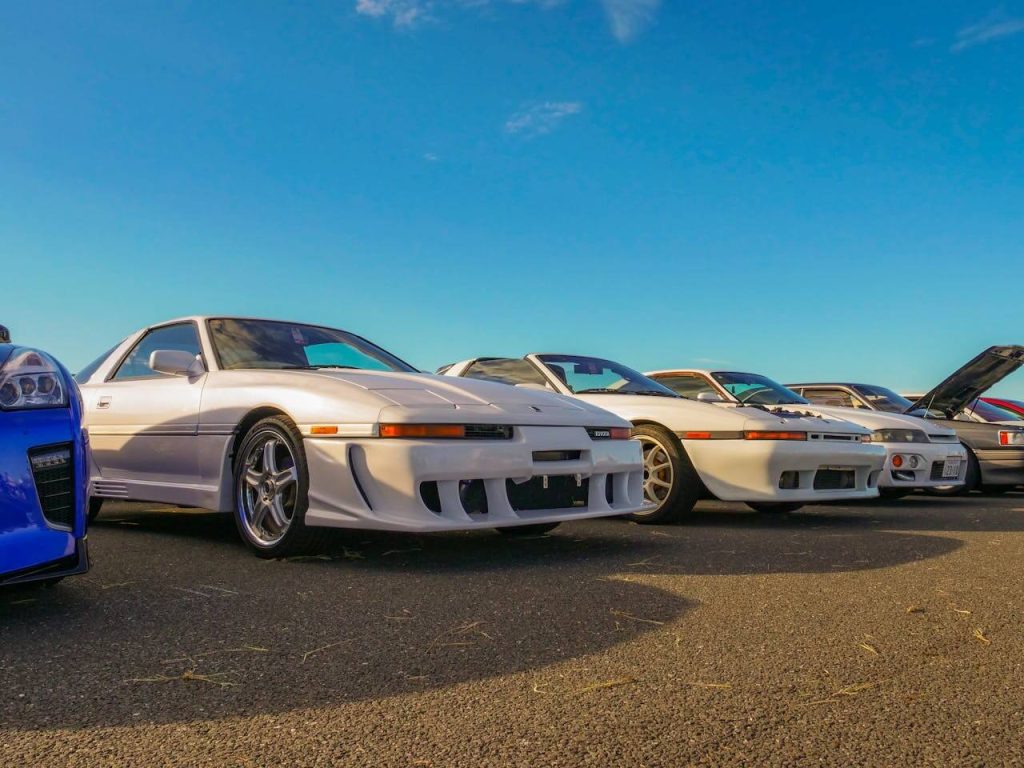
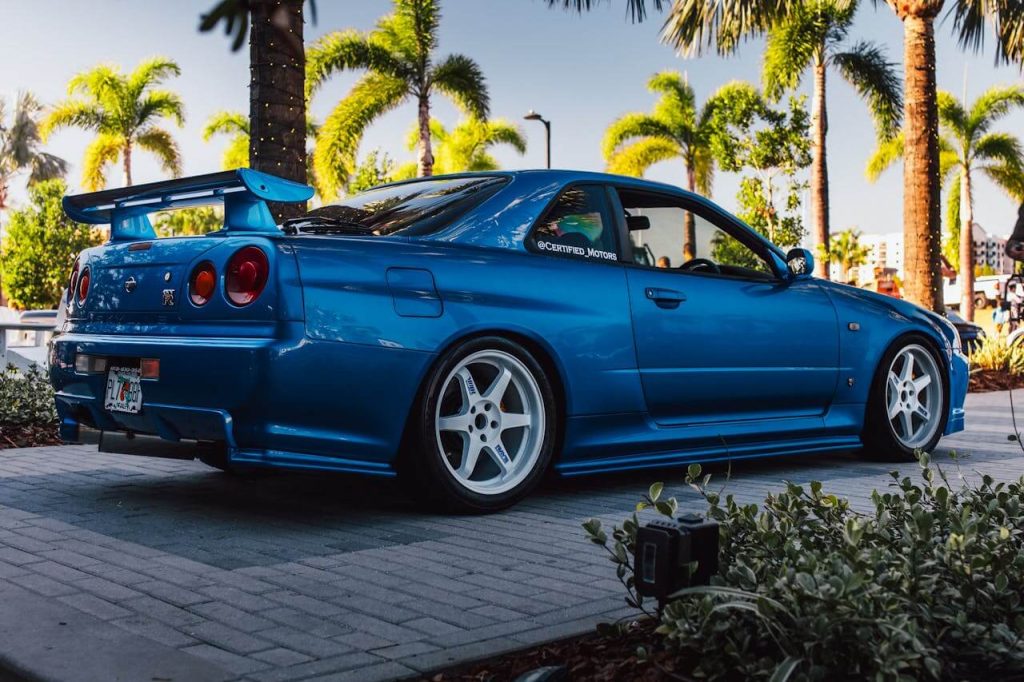
JDM legends are the backbone of the scene: every generation of Skyline GT-R from the R32 to the R35, the Toyota Supra and newer GR86, the Mazda RX-7 FD3S, and Honda’s NSX all make regular appearances, often stopped at a red light next to an imported supercar.
Modern performance and widebody builds add contrast to the older legends. Liberty Walk and RWB-bodied Porsches, widebody kits, and VIP sedans reflect current Tokyo tuning trends rather than nostalgia.
Kei sports cars like the Honda Beat and Suzuki Cappuccino appear too, small, light, and unmistakably Japanese, they’re a favourite among purists who prize handling over horsepower.
Lowrider and custom crews occasionally take over side streets near Yoyogi, bringing a very different west-coast influenced aesthetic into the mix.
What you won’t find is organised street racing. Shibuya’s cruising culture is entirely separate from hashiriya and kanjozoku style illegal racing, which happens elsewhere and draws direct police enforcement. What passes through Shibuya at night is traffic, not a race, and treating it that way is part of what keeps the scene tolerated.
Best time to catch the Shibuya car meet
Friday and Saturday nights after 9pm are the most reliable window, with activity often peaking between 10pm and 1am as drivers move between central Tokyo and the expressway network. Quiet stretches of twenty minutes with no traffic are normal, followed by several notable cars arriving within minutes of each other. Patience matters more here than at any static meet spot.
How Shibuya connects to the rest of the Tokyo car meet scene
Shibuya is rarely the final destination. From Dogenzaka, drivers head onto the Shuto Expressway C1 loop toward Tokyo Bay, continuing on to Daikoku PA<\/strong> in Yokohama, Tatsumi PA<\/strong>, or the Bayshore Route past Rainbow Bridge. Many guided tours follow the exact same route: meet in Shibuya, cruise the expressway, arrive at Daikoku PA once the cars have had time to gather. Treating Shibuya as the starting line rather than the show itself is the mindset that makes the evening work.
Is the Shibuya car meet legal?
Yes. Cruising through Shibuya’s public streets is completely legal and is simply traffic like any other. What is illegal is unlicensed street racing (hashiriya), which does not take place within Shibuya itself and is actively enforced by Tokyo police. Guided car tours that pass through Shibuya operate fully within traffic law.
Do I need to book a tour or can I just watch for free?
Watching is entirely free: standing near Dogenzaka, the Scramble Crossing, or Center-gai costs nothing and requires no booking. A guided tour is only necessary if you want to ride in a JDM car yourself or want a local guide who knows exactly when and where the best cars tend to pass.
What should I wear and how should I behave?
Regular streetwear is fine. Since October 2024 Shibuya enforces a permanent nightly street drinking ban in the areas around the station, and police patrols are active, particularly around Halloween and other high traffic periods. Watching quietly from the sidewalk without blocking pedestrian flow is both the respectful and the practical approach.
Is Shibuya better than Daikoku PA?
They’re not really comparable. Daikoku PA is a static, parked gathering where you can walk up to cars and talk to owners. Shibuya is fluid, unpredictable, and entirely on foot, offering close-up sightings without needing a car or booking. Most enthusiasts treat the two as complementary rather than competing: start the evening in Shibuya, end it at Daikoku.
Where exactly should I stand?
Dogenzaka near Shibuya 109 sees the highest concentration of enthusiast traffic, especially early in the evening as cars stage before heading to the expressway. The Scramble Crossing offers the most reliable stop-and-go viewing. On active nights, check the streets around Yoyogi Park for lowrider and custom car gatherings.
What cars am I likely to see?
Expect Nissan GT-Rs across every generation (R32 through R35), Toyota Supra and GR86, Honda NSX, Mazda RX-7 FD3S, Mitsubishi Lancer Evolution, Subaru WRX STI, kei sports cars like the Honda Beat, and increasingly, Liberty Walk or RWB widebody builds alongside imported supercars.