Daikoku parking area
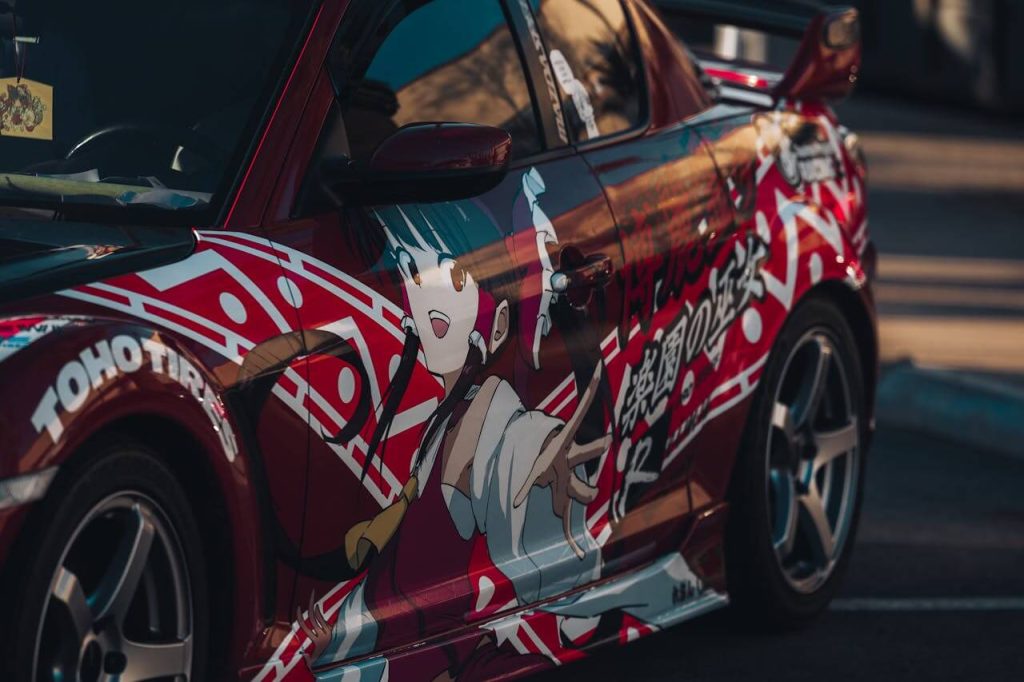
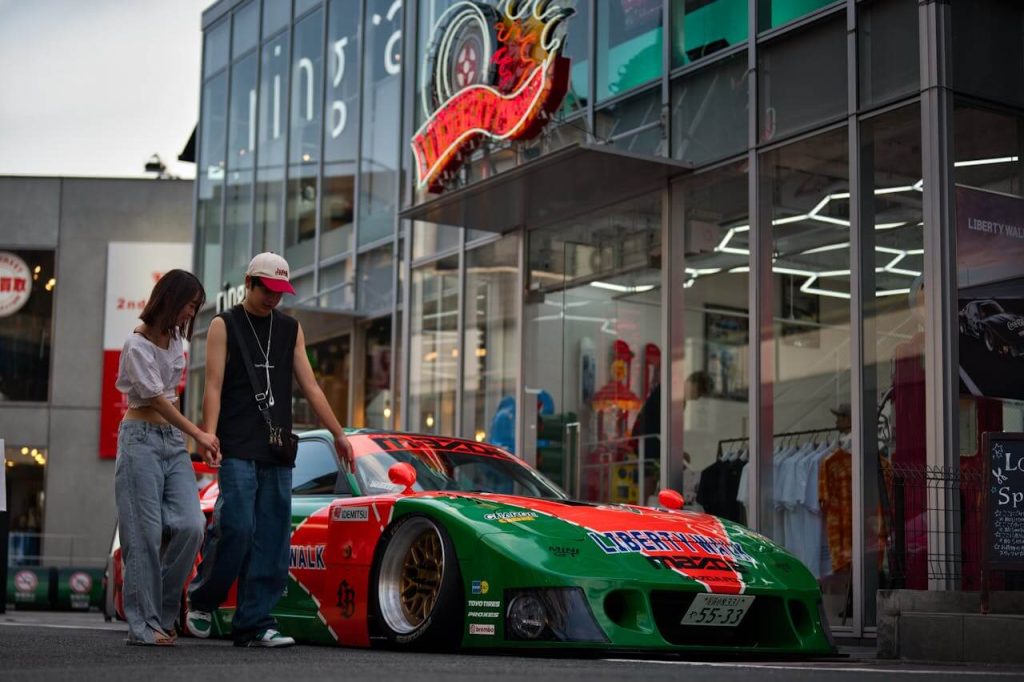
The most legendary car meet location in Japan
Daikoku Parking Area is widely recognized as the most iconic gathering place for car enthusiasts in Japan. Located in Yokohama, just south of Tokyo, this expressway rest area has become a global symbol of Japanese automotive culture. Although it was never designed as an event venue, Daikoku has naturally evolved into a legendary meeting point where passion for cars takes center stage.
Unlike organized car shows or scheduled exhibitions, Daikoku Parking Area functions entirely through spontaneity. There are no official organizers, no entrance gates, and no calendars. Drivers arrive freely after cruising Tokyo’s highways, park for conversation and photography, then leave and return throughout the night. This constant rotation of vehicles creates a living display that changes every hour, ensuring that no two visits ever feel the same.
What makes Daikoku truly unique is its atmosphere. Under the glow of expressway lights, conversations flow between locals and international visitors, united by a shared interest in cars. The mix of engineering excellence, creative modification, and community interaction has made Daikoku Parking Area a must-visit destination for automotive fans worldwide.
The automotive history behind Daikoku car park
Daikoku Parking Area is built on Daikoku Pier, an artificial island in Yokohama Bay that forms part of the Shuto Expressway network. The rest area was constructed to support traffic between Tokyo, Yokohama, and nearby industrial zones. Its size, open layout, and isolation from residential districts made it ideal for long-distance drivers to stop safely at any hour.
During the rise of Japanese tuning culture in the 1980s and 1990s, enthusiasts naturally began using Daikoku as a meeting point after night drives along the Bayshore Route and the inner C1 loop. Unlike street racing locations of the same era, Daikoku offered a neutral environment focused on social interaction rather than competition.
Over time, this behavior transformed the parking area into an automotive landmark. Even as regulations tightened elsewhere, Daikoku remained a legal rest stop, allowing car culture to survive through respect, self-regulation, and shared etiquette. Today, its reputation represents decades of evolution within Japan’s underground and enthusiast communities.
How do I get to the Daikoku parking area?
Cars you can encounter at Daikoku PA
One of the strongest attractions of Daikoku Parking Area is the incredible variety of vehicles that appear on any given night. While the lineup constantly changes, Japanese Domestic Market cars form the heart of the scene.
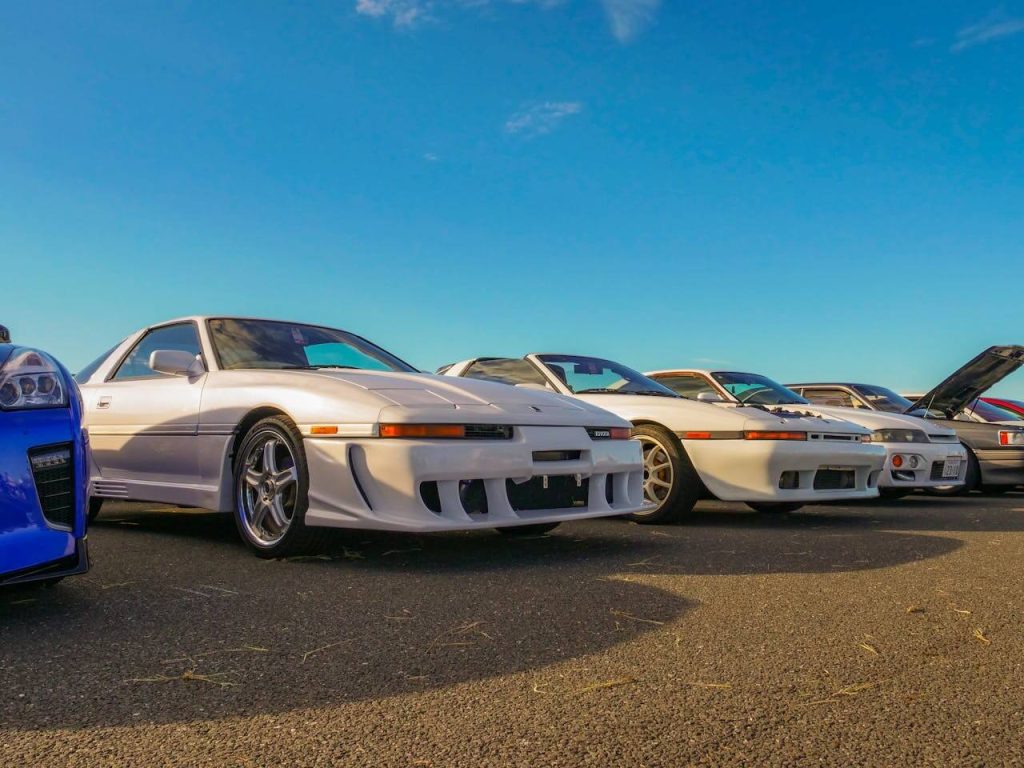
JDM refers to vehicles produced specifically for the Japanese market, shaped by domestic regulations, compact road networks, and a strong focus on performance efficiency. At Daikoku, visitors regularly encounter legendary models such as the Nissan Skyline GT R across multiple generations, Toyota Supra builds from classic A70s to modern A90s, Mazda RX 7 rotary-powered icons, Nissan Silvia drift machines, Honda Civic Type R variants, and Subaru WRX STI sedans.
Alongside these classics, it is common to see VIP-style luxury sedans, track-oriented builds, modern Nissan GT R models, and imported European supercars. Occasionally, American muscle cars also appear, adding to the diversity. This combination of heritage and modern engineering reflects how Japanese car culture continues to evolve while honoring its roots.
Can I go to Daikoku parking area and is it free?
Daikoku Parking Area is open to the public and does not require any ticket or entry fee. As a highway rest area, access itself is free, though drivers must pay expressway tolls to reach it. There is no pedestrian access, no train station, and no bus route leading directly to the site. Entry is only possible by car through the expressway system.
For visitors without a vehicle, renting a car or joining a guided tour is the safest and most reliable option. Taxis can technically enter the area, but availability for return trips is not guaranteed, which has left some visitors stranded in the past.
Is Daikoku car meet every night and when is the best time to visit?
There is no official Daikoku car meet schedule. Small gatherings may occur on many evenings, but attendance varies greatly depending on weather, traffic, and police presence. The most active nights are typically Friday and Saturday evenings, when enthusiasts from Tokyo and Yokohama arrive in large numbers.
Sunday mornings offer a very different experience. The atmosphere is calmer, traffic is lighter, and photographers often prefer this time for clear views and relaxed interactions. Late night visits during weekdays tend to be quieter and less predictable.
What rules apply and what happens if police intervene?
Daikoku Parking Area is monitored regularly by police patrols. While car meets are tolerated, unsafe behavior is not. Excessive revving, racing, burnouts, or reckless driving may lead authorities to disperse the gathering.
When police decide to clear the area, they usually issue warnings and request vehicles to exit calmly. Visitors who cooperate and respect traffic laws rarely face penalties. The continued existence of the Daikoku car meet relies heavily on mutual respect between enthusiasts and authorities.
Is Daikoku safe for tourists and are guided tours available?
Daikoku Parking Area is generally safe for tourists. The area is well lit, populated, and friendly, though visitors should remain aware of moving vehicles. Photography is usually welcome, but asking permission before close-up shots is considered polite.
Guided tours to Daikoku PA have become increasingly popular. These experiences provide transportation, local insight, and safe access to the scene, allowing visitors to enjoy the atmosphere without navigating expressways themselves.
A living landmark of Japanese car culture
Daikoku PA is not a theme park or staged attraction. It is a real place where Japanese car culture continues to exist naturally. From classic JDM legends to modern performance machines, every gathering reflects decades of passion, craftsmanship, and community.
For automotive enthusiasts, visiting Daikoku is not simply about seeing cars. It is about witnessing one of the last authentic car meet cultures still thriving in the modern world.